
Jane Goodall, renowned primatologist and conservationist, dead at 91

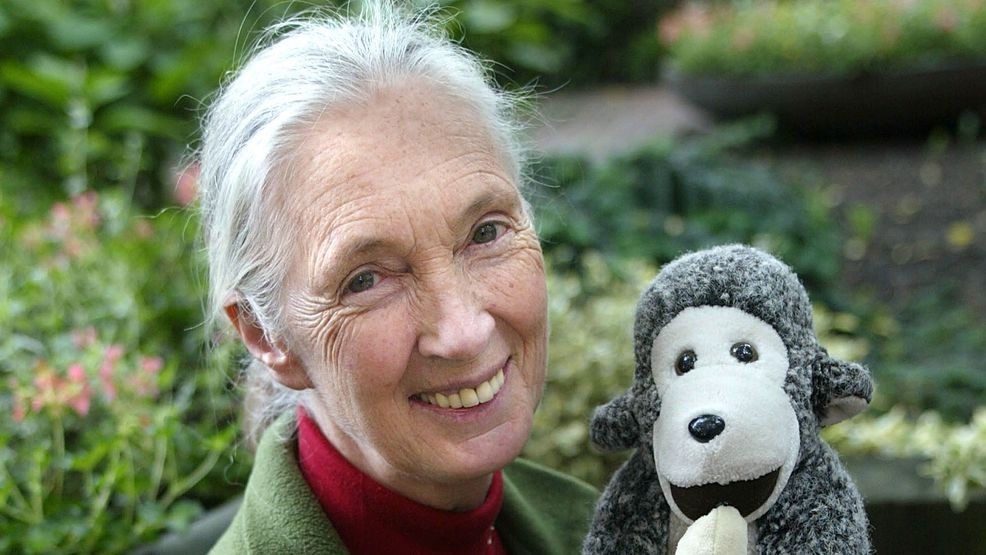
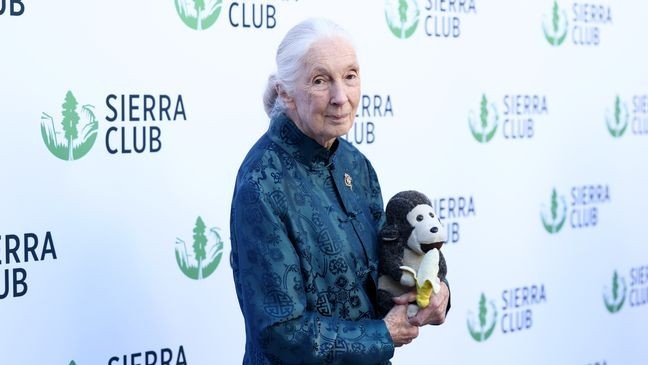
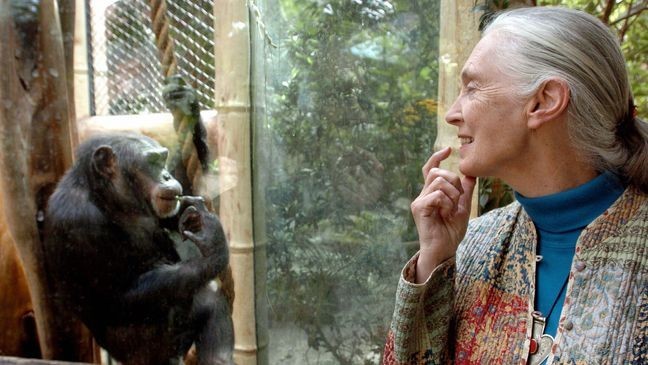

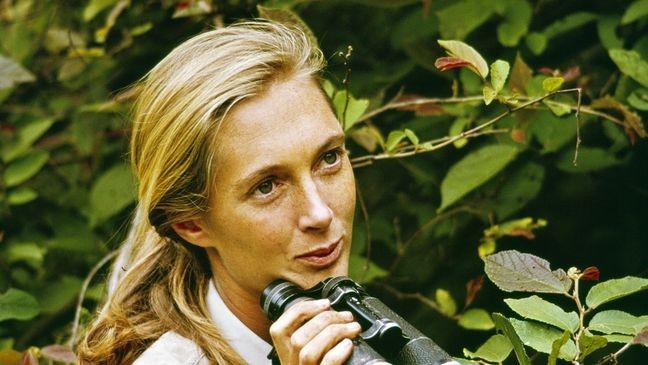


Jane Goodall, known to the world for her work with chimpanzees and support for conservation, has died at 91.
The Jane Goodall Institute confirmed the news on social media Wednesday, writing, “The Jane Goodall Institute has learned this morning, Wednesday, October 1, 2025, that Dr. Jane Goodall DBE, UN Messenger of Peace and Founder of the Jane Goodall Institute has passed away due to natural causes. She was in California as part of her speaking tour in the United States.”
The statement continued, “Dr. Goodall’s discoveries as an ethologist revolutionized science, and she was a tireless advocate for the protection and restoration of our natural world.”
Goodall’s research on chimpanzees revolutionized science and our understanding of the natural word.
In July 1960, she first visited Tanzania and began her study of primates, noting their similar behaviors to humans, including communication, individual personalities, and making and using their own tools.
Goodall was born in Hampstead, London in April 1934 attended the Uplands Private School. At 18, she left school and began working as a secretary at Oxford University, where she met archaeologist and paleontologist Louis Leakey. With his support, Goodall made her first trip to Gombe Steam National Park in Tanzania at age 26, where she began her groundbreaking research.
"She took an unorthodox approach in her field research, immersing herself in their habitat and their lives to experience their complex society as a neighbor rather than a distant observer and coming to understand them not only as a species, but also as individuals with emotions and long-term bonds," The Jane Goodall Institute notes on their website.
Goodall observed behaviors previously unknown to the wider scientific community, specifically the usage of tools by chimpanzees.
“The reason why this was so exciting was because, at that time, it was thought by Western science that only humans used and made tools. We were defined as man, the toolmaker,” Goodall told Alex Cooper on the "Call Her Daddy" podcast. “And so when I wrote to my mentor, Louis Leakey, he was just so excited.”
Facing a male dominated field with no formal training, Goodall didn't let that slow her passion, further supported by her mother.
"Everyone said, 'that’s ridiculous. I mean you don’t have any money, Africa’s far away and you’re just a girl,'" she recalled. "Not my mum. She said if you really want to do something like this, you’re going to have to work really hard, take advantage of every opportunity, and if you don’t give up, hopefully you’ll find a way."
She went on to earn a PhD at Cambridge despite not starting out with a bachelor's degree, and has a list of awards to her name, including a Commander of the Order of the British Empire (CBE) "for services to zoology" and a promotion to Dame Commander of the same Order "for services to the environment and conservation." She also received a Presidential Medal of Freedom from President Joe Biden.
Goodall was a dedicated conservationist and traveled almost 300 days a year per her institute's website, speaking and educating.
Fellow animal lovers, scientists, and fans around the world mourned the loss of Goodall.
PETA Founder Ingrid Newkirk said in a statement to TNND Entertainment, "A long and fine life led. Jane Goodall was a gifted scientist and trailblazer who forever changed the way we view our fellow animals. Caring about all animals, she went vegan after reading Animal Liberation, and helped PETA with many campaigns, calling her 1986 visit to a Maryland laboratory full of chimpanzees in barren isolation chambers 'the worst experience of my life.' We could always count on her to be on the animals’ side, whether she was urging UPS to stop shipping hunting trophies, calling for SeaWorld’s closure, or a shutdown of the Oregon National Primate Research Center. She leaves behind an extraordinary legacy, and we encourage everyone to follow in her animal-respecting footsteps, starting with going vegan."
The Wildlife Conservation Society praised Goodall's "science, empathy and commitment to communication and inspiration" in a statement.
"These three qualities—science, empathy, and a commitment to communication and inspiration—form the heart of Jane’s legacy, and they remain central to how WCS delivers its conservation impact today. We hope to honor her legacy in our continued work to save wildlife and wild places. Thank you, Jane."
