
'One Night in Idaho' reveals overzealous online sleuths’ impact on victims’ loved ones

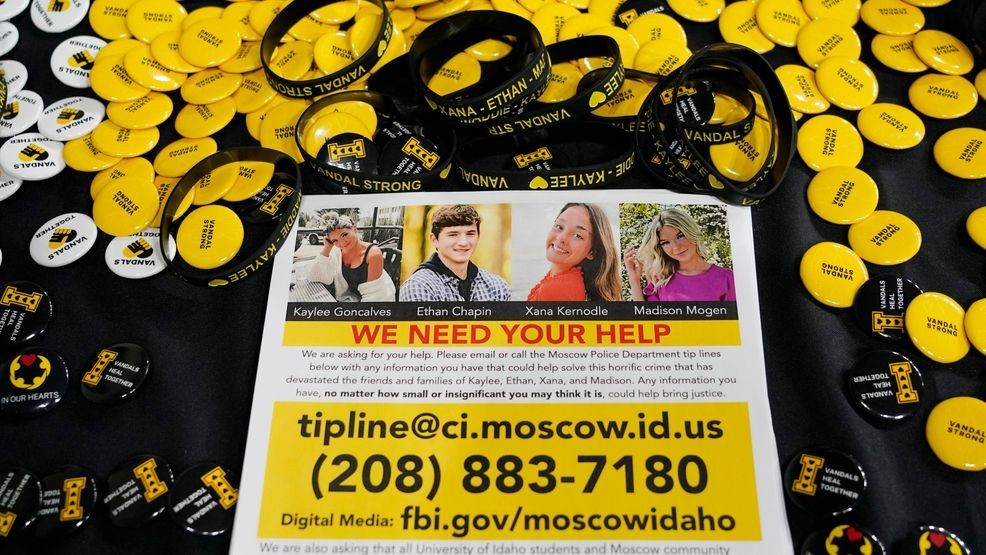



As the case of the Idaho Murders comes to a close with Bryan Kohberger’s confession and guilty plea earlier this month, the fallout from the murders of Madison Mogen, Kayle Goncalves, Xana Kernodle, and Ethan Chapin remains.
The new four-part docuseries “One Night in Idaho: The College Murders” on Prime Video digs deep into their tragic deaths, from the investigation to the lingering effects on their friends and families’ lives.
The randomness of the attack terrified the campus and those close with the victims, but what became almost as scary was the intense scrutiny of not only the media, but the world of amateur online true crime sleuths targeting innocence people.
Some online theories claimed or assumed there was a drug overdose or a robbery gone wrong, or a random person in town that weekend for a football game, all of which turned out to be false. Police confirmed to the public that the four students had been stabbed and no weapon found.
While police worked behind the scenes to investigate, the online sleuths went off on many wild goose chases and posting their supposed findings on social media.
At one point, a live feed from a local food truck the night of the murders was dissected and a man in a white hoodie who had been standing near Madison and Kayle and appeared to follow them became an unofficial suspect.
He was identified quickly by the true crime community and speculation about him spread like wildfire, but with no concrete evidence of anything. And we now know, they were incorrect assumptions that possibly tarnished an innocent person’s reputation.
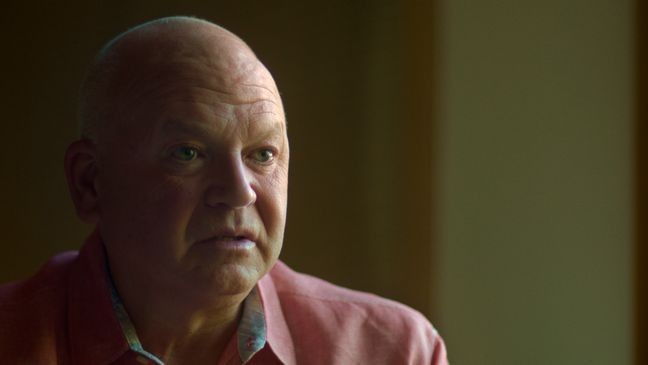
Blaine Eckles, Dean of Students at the University of Idaho, described them as “non-professional journalists, they’re not media they’re just looky-loos trying to gather information to tell a story they think is relevant for them.” He added that some students went into hiding after being stalked and harassed by the wannabe investigators.
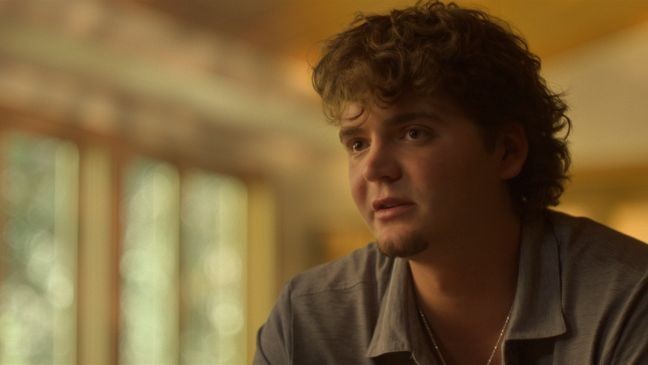
Ben DeWitt, news editor of “The Argonaut,” the campus newspaper, added, “They threw ethics out the window” saying some of these online self-proclaimed detectives disguised themselves as students to snoop around campus.
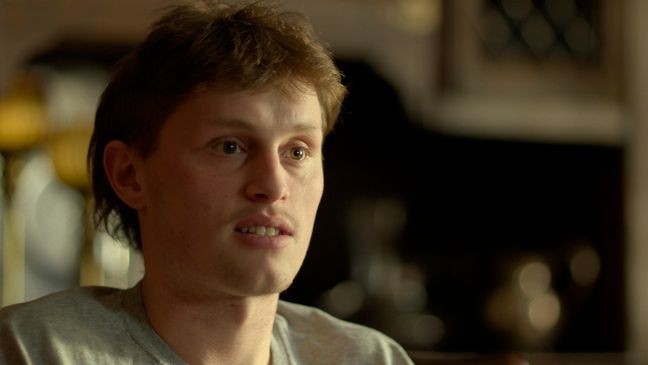
The friends of the victims were also routinely accused of committing or being involved in the murders, including Hunter Johnson, who was the first one to find the bodies of Ethan and Xana, and Emily Alandt who was with him at the time.
People were also incredibly critical of the surviving housemates, Bethany Funke and Dylan Mortensen, who were in the house at the time but didn’t immediately call police after hearing noises and seeing a figure in the house.
Police eventually shut down rumors publicly cleared the names of the innocent. Roughly two months after the murders, Bryan Kohberger was arrested and charged with the crimes.
His trial was set for August 11, but on July 2, Kohberger pleaded guilty to the murders of Mogen, Goncalves, Kernodle, and Chapin, part of a deal that will allow him to avoid the death penalty. A sentencing hearing has been set for July 23.
Ultimately, most of the friends and family of the victims’ went private or completely deleted social media. Some of the students targeted by the online harassment and accusations also expressed worry about their ability to be hired for jobs since their names are forever associated, falsely and negatively, with the murders.
As one journalist said, “It’s so terrible and people don’t understand that what they do online has real life consequences for the people involved in this.”
“One Night in Idaho: The College Murders” streams July 11 on Prime Video.
