
Brian Wilson’s musical genius shone through troubled childhood and mental health battles




Brian Wilson’s musical genius shone through a lifetime of mental health and addiction struggles, as well as legal battles with the band he once led that helped redefine pop music.
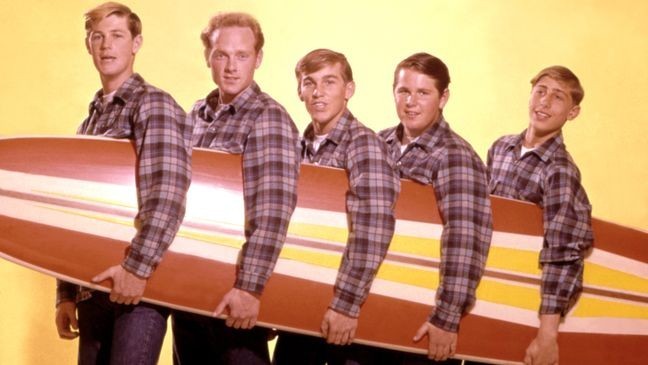
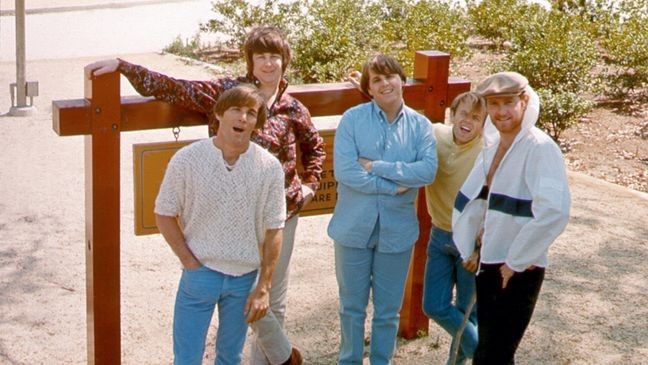
Wilson was born in in Inglewood, California on June 20, 1942, the eldest of his siblings, including Dennis and Carl, who would later become The Beach Boys along with their cousin Mike Love and friend Al Jardine.
Their father, Murry Wilson, was abusive and violent towards his children. In his memoir, “I Am Brian Wilson,” the songwriter recalled, per The Washington Post, “When he didn’t put his hands on us, he tried to scare us in other ways. He would take out his glass eye and make us look into the space where the eye used to be."
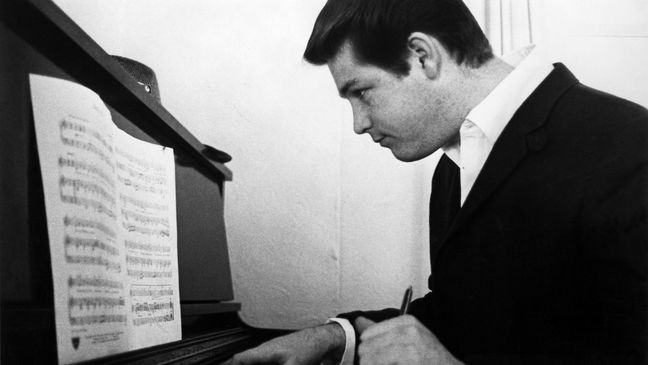
Wilson also experienced hearing loss in his right ear as a child, with the exact cause never being determined. Despite that, he showed a natural talent for music and sang in choir as a child.
Murry, who had his own unfulfilled ambitions as a musician, pushed Wilson and his brothers into music, and was at one time The Beach Boys manager, but later fired in 1965, per Far Out Magazine.
Wilson still struggled with his mental health as The Beach Boys found incredible success in the 1960s, and began experiencing psychological breakdowns and taking drugs. In 1964, according to Variety, Wilson had a breakdown on a flight from Los Angeles to Houston and declared he would no long perform live with the group. Glen Campbell, early in his own career, briefly replaced him before Bruce Johnston became a long-term member of the band.
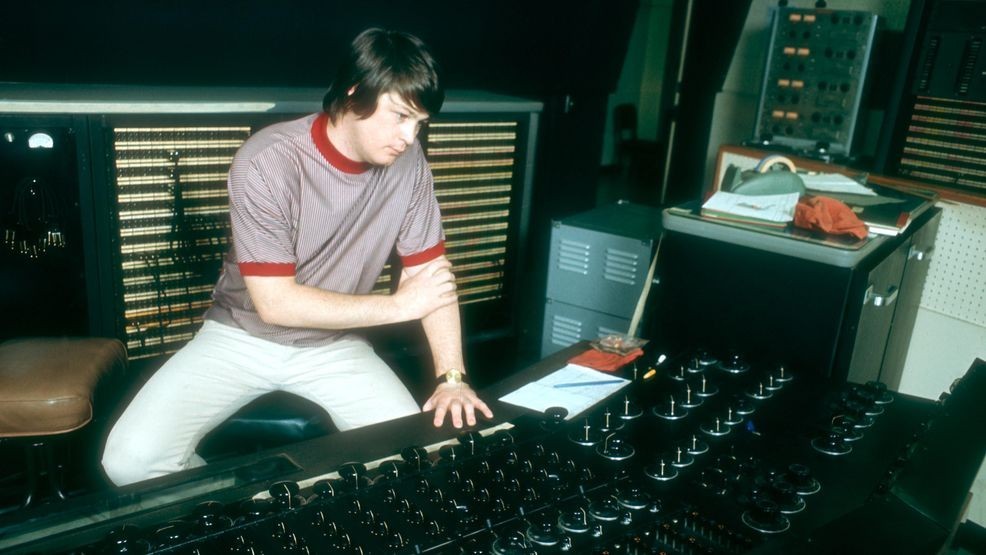
"I've always felt I was a behind-the-scenes man, rather than an entertainer," Wilson said in the book “Becoming the Beach Boys: 1961-1963,” per Entertainment Weekly.
He continued stepping back from the public and the band, and though their album “Pet Sounds” was an incredible and genre-defining success, their follow up album “Smile” was never finished until years later.
In 1968, Wilson was admitted to a psychiatric hospital, and while he helped on the band’s 1970 album, “Sunflower,” he remained distant. The death of his father, Murry, in 1973 drove him further into reclusive behavior and drug addiction. According to NPR, he experienced audio hallucinations and was later diagnosed with schizoaffective disorder.
He suffered an overdose in 1982 and was formally removed as a member of The Beach Boys. A year later, his brother Dennis drowned, adding to his emotional hurt.
Wilson’s wife, Marilyn Rovell, sought help for him and in 1976, he began working with therapist Eugene Landy, who ended up taking financial advantage of the troubled star.
At one point, Landy was charging a monthly fee of over $20,000, and it’s estimated, per The Washington Post, that Wilson paid him more than $3 million between 1983 and 1991.
Landy’s license was stripped in 1989, but they continued working together until Wilson’s family helped him break ties with him and file a restraining order.
As Wilson was coming out of his personal struggles, his issues with the band he founded continued to worsen. He became embroiled in several lawsuits over rights to The Beach Boys music as well as songwriting credit by cousin Mike Love, and according to his second wife, Melinda, he was at one point involved in nine separate lawsuits.
Wilson maintained his creativity and passion for music even in his darkest times, releasing solo work off and on throughout the past 30 years, even returning to live performances a few times, including a brief tour for the 50th anniversary of The Beach Boys.
Towards the end of his life, he continued writing music and occasionally performing live until 2022.
Wilson’s ability to create and thrive despite a lifetime of struggles is best summed up in a quote from his 2016 memoir, per Vulutre,: “People can survive everything best if they remember who they were.”
